
Road & Rail Freight Forwarding
Into Africa
For cargo moving overland into the rest of Africa, choosing between road and rail — or combining both — can materially change your cost and transit time, depending on route, cargo type, and destination. As your freight forwarder for this corridor, we plan around whichever combination actually fits your shipment, not whichever is easiest to book.
Road Freight Into Africa
Road remains the dominant mode for cross-border African freight — flexible routing, direct door-to-door delivery, and the ability to reach destinations without rail infrastructure. Trade-off: transit times are exposed to border congestion and road conditions beyond South Africa, which is why route selection and border timing matter as much as the trucking itself.
Rail Freight Into Africa
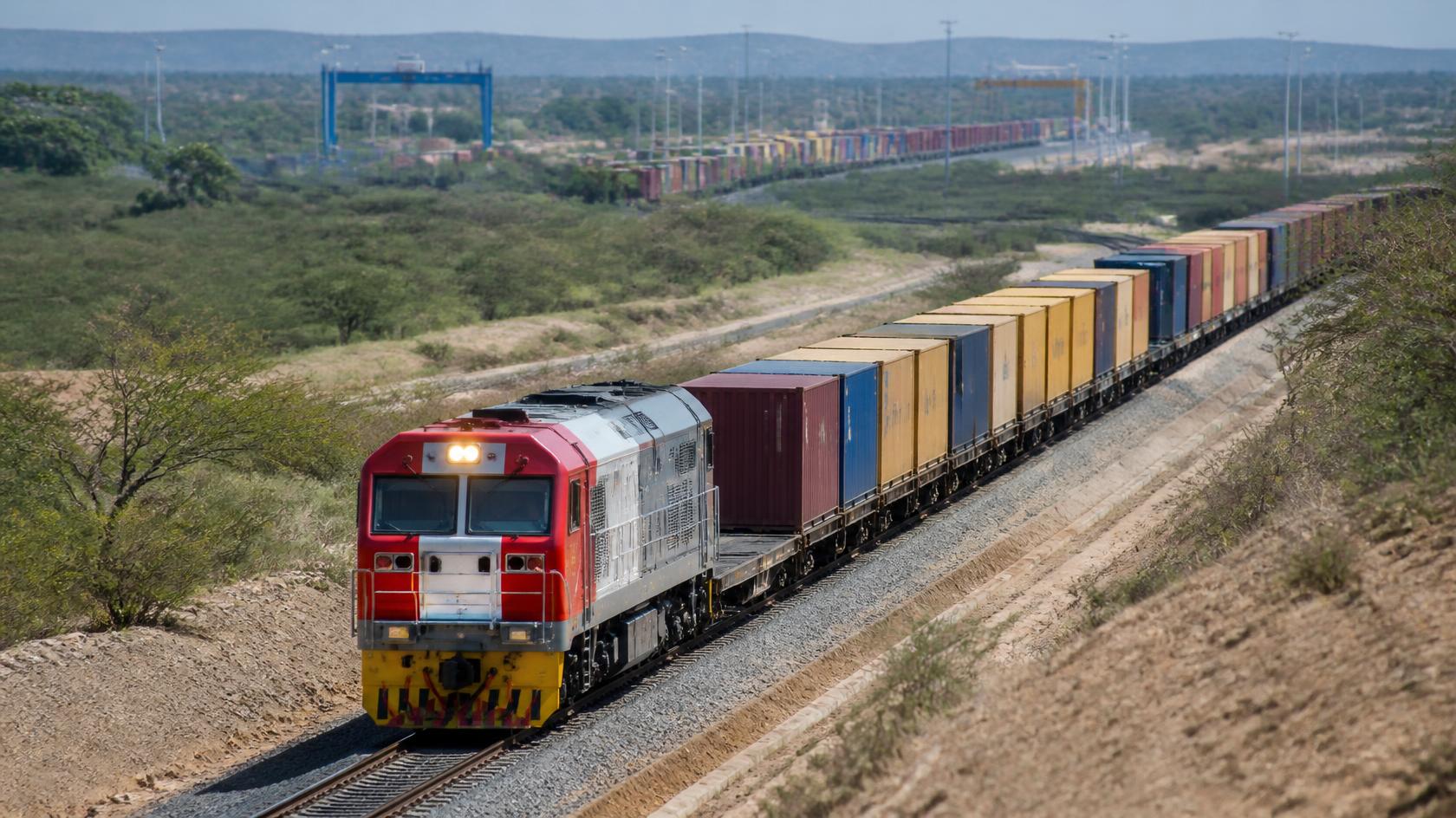
Where rail infrastructure supports it, rail freight can offer lower per-tonne costs for bulk cargo over long distances, with less exposure to road congestion. Best suited to bulk commodities and cargo where transit time flexibility is acceptable.
When Rail Freight Is the Right Call
Large bulk shipments where per-tonne cost matters more than flexibility, and routes where rail infrastructure directly serves both origin and destination without requiring a road-based final leg.
Road and Rail
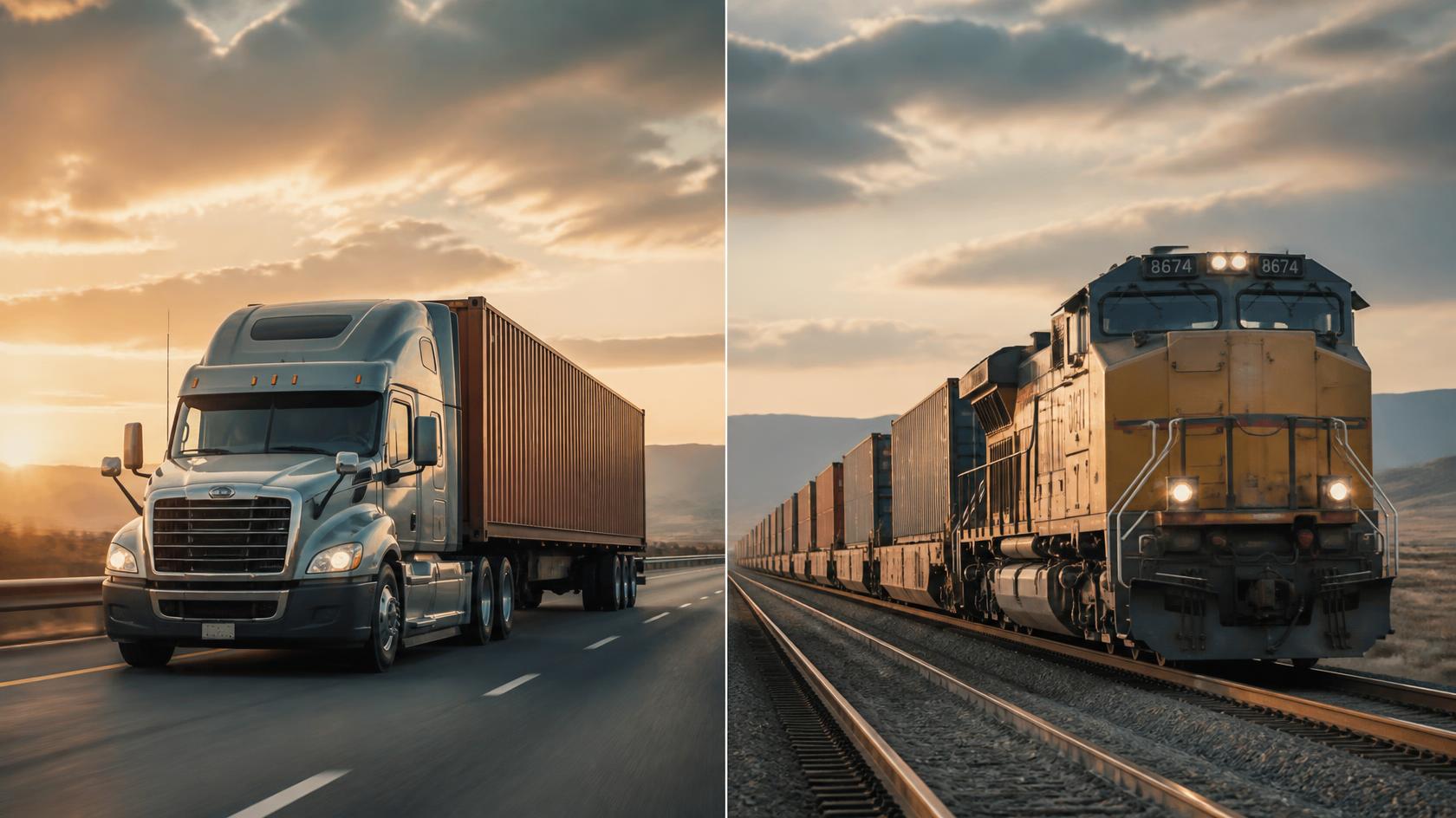
For many African routes, the most cost-effective solution combines modes — rail for the bulk long-haul leg, road for final-mile delivery where rail doesn't reach. As your freight forwarder, we plan routes based on your cargo type and timeline rather than defaulting to a single mode because it's simpler to arrange.
What's Included in This Service
Route and mode planning based on cargo type, urgency, and destination; carrier and rail operator coordination; cross-border transit documentation; and delay monitoring with proactive communication when a route condition changes.
Choosing a Partner Who Works Both Modes
Road and rail freight into Africa each require different operational relationships — different carriers, different documentation processes, and different points of failure. A freight forwarder who works both modes regularly can weigh them honestly for your specific shipment, rather than defaulting to whichever mode they happen to have stronger carrier relationships with.
Cost and Timeline Trade-Offs Across Road and Rail
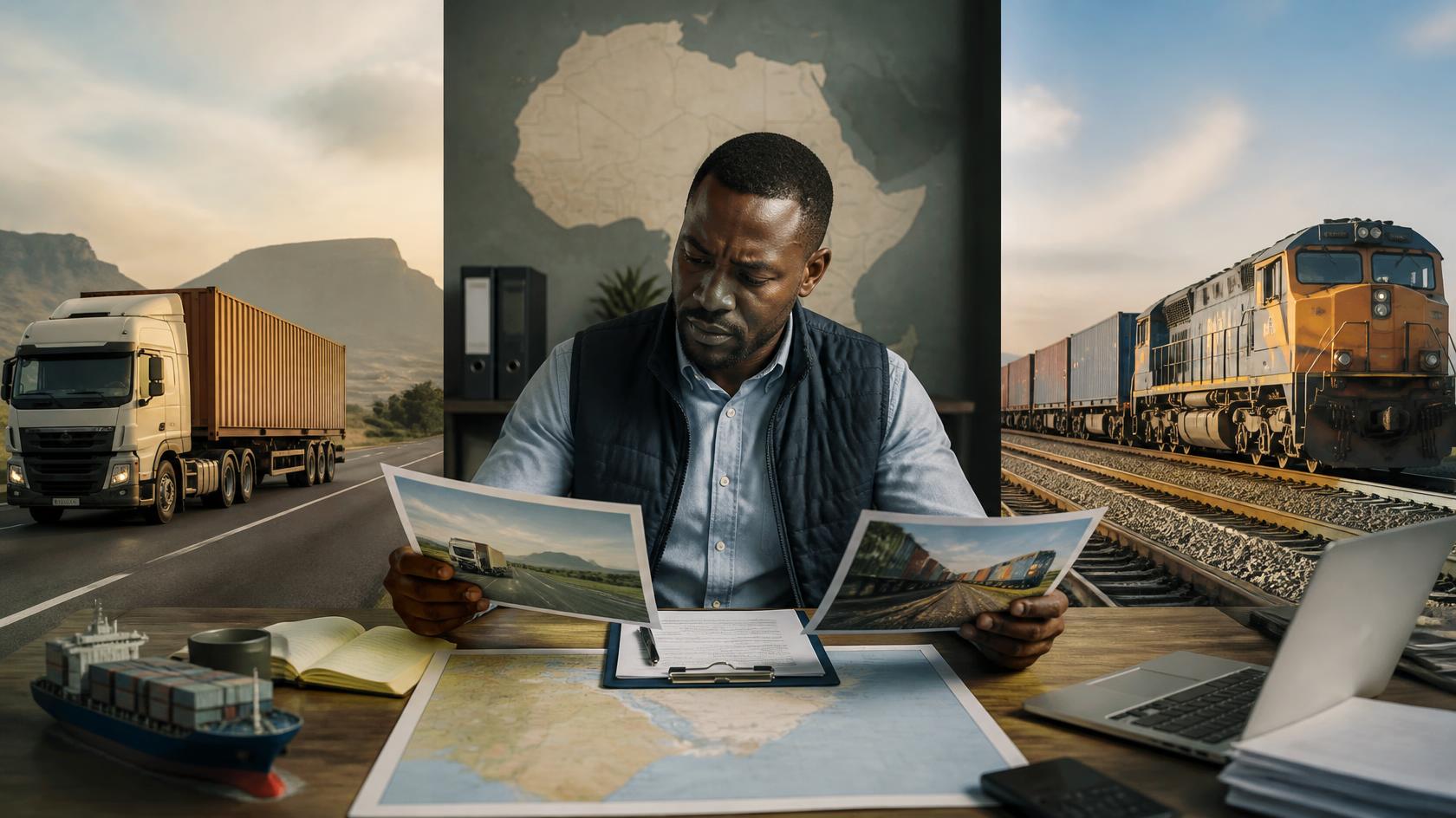
Rail typically wins on cost for large bulk shipments over long distances but loses on flexibility and final-mile reach. Road wins on flexibility and directness but is more exposed to congestion and per-kilometre cost on longer hauls. We lay out both sides honestly for your specific cargo rather than pushing whichever mode is simpler for us to arrange.
Infrastructure Realities Across the Region
Rail infrastructure across the SADC region varies significantly by country and route — some corridors are well-served with reliable rail links, while others rely almost entirely on road transport due to limited or ageing rail networks. As your freight forwarder, we factor these infrastructure realities into route planning from the start, rather than assuming a rail option exists simply because it would be the cheaper choice on paper.
Monitoring Route Conditions Over Time
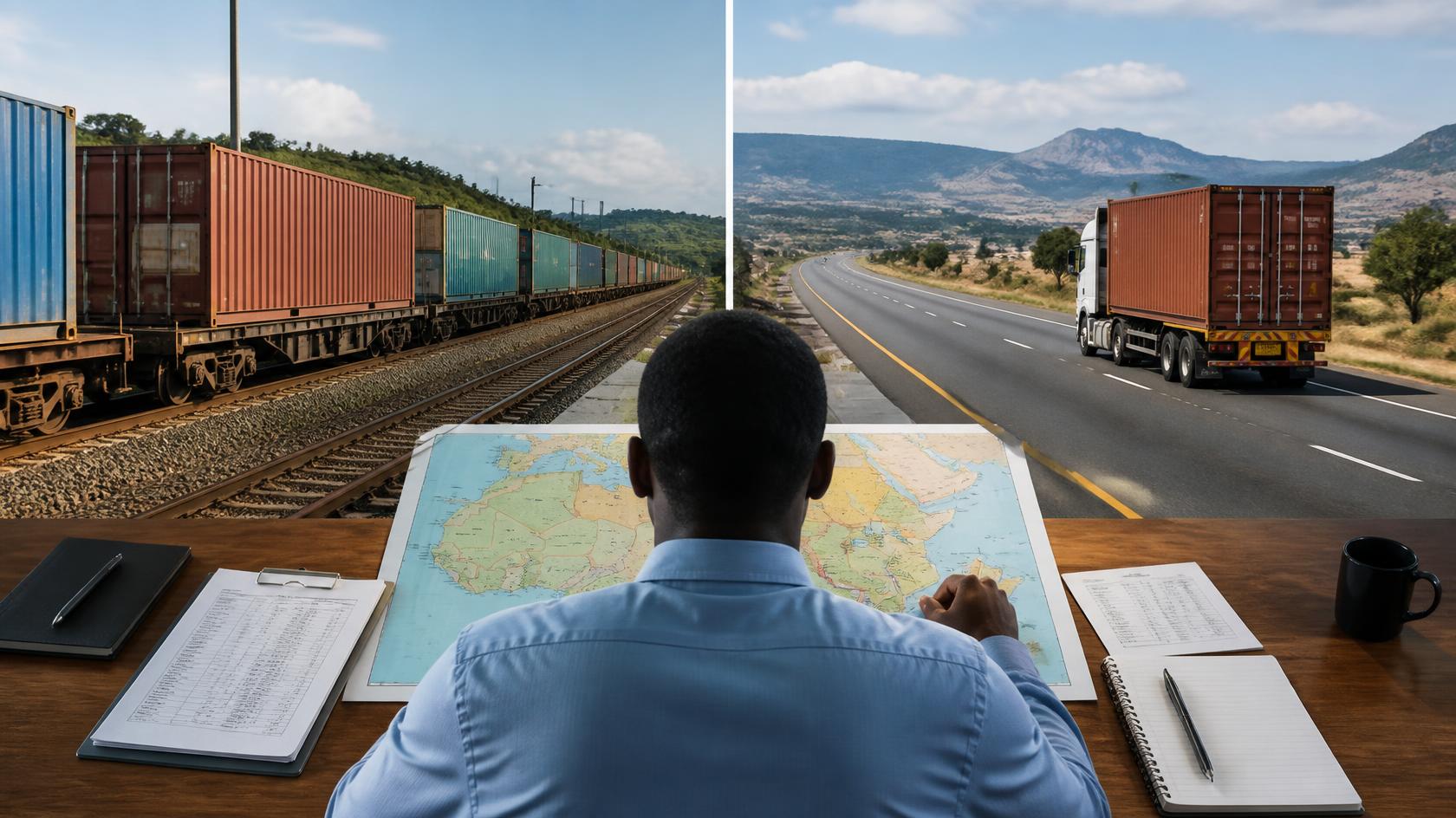
Infrastructure and border conditions on cross-border African routes change gradually — a rail link that was reliable a year ago may face new capacity constraints, or a road route may see improved conditions after infrastructure upgrades. We track these shifts on the routes we actively manage, rather than working from static route assumptions.
Planning a shipment into Africa?
Get a route recommendation weighing road, rail, and combined options for your specific cargo.
Get Recommendations