
Border Post & Transit Documentation
Cross-border freight into Africa fails or succeeds at the paperwork stage long before the truck reaches the border.
Getting transit documentation wrong is the single biggest cause of checkpoint delays on the SADC corridor — which is why, as a freight forwarder specialising in this route, documentation accuracy is where we invest the most attention.
Getting transit documentation wrong is the single biggest cause of checkpoint delays on the SADC corridor — which is why, as a freight forwarder specialising in this route, documentation accuracy is where we invest the most attention.
Documentation We Manage for You
Cross-border road transport permits required per country, checked against the specific vehicle and route being used for that shipment.
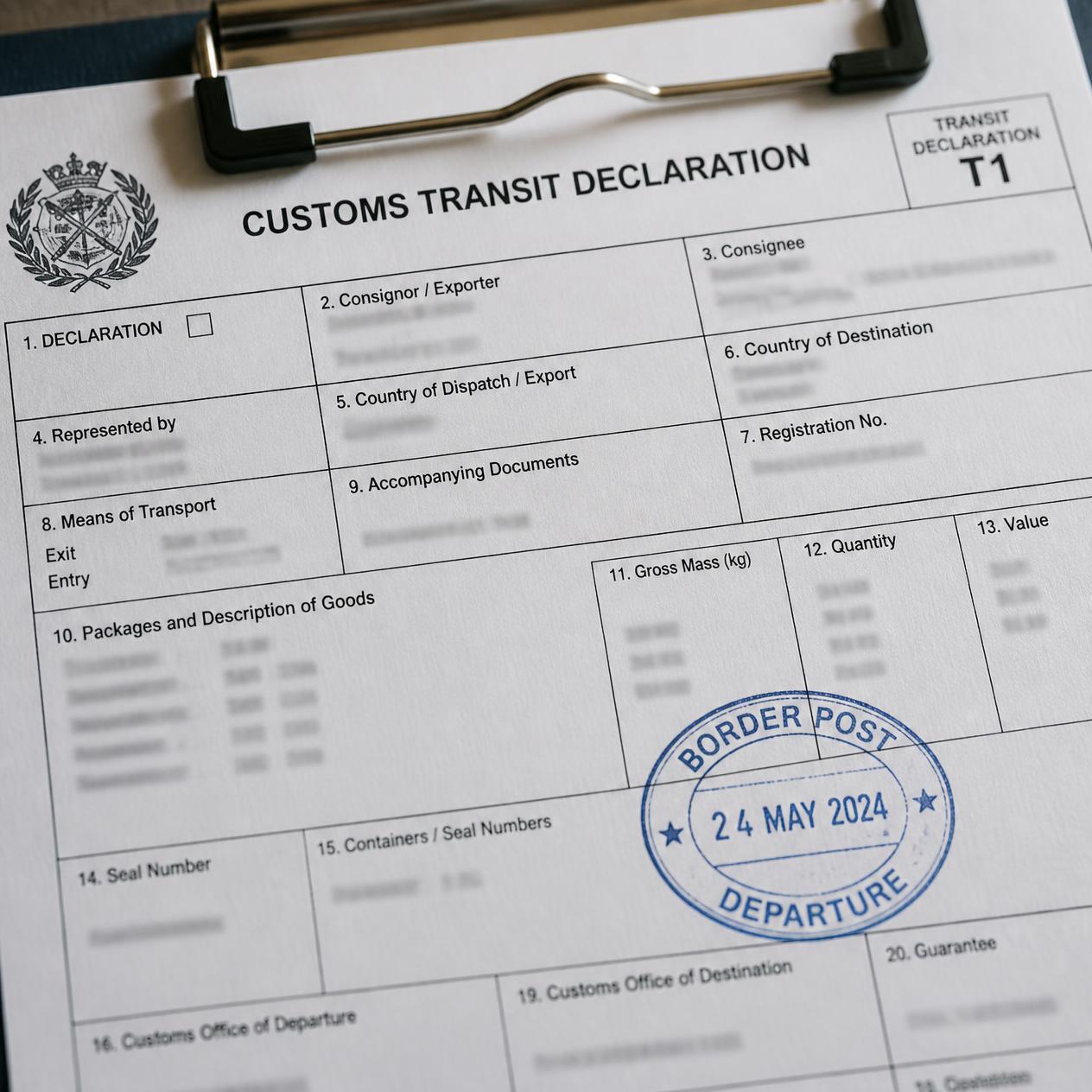
SAD 500 Transit Declarations
The core customs transit document required at South African border posts, prepared and matched to the specific destination and route rather than filled in generically.
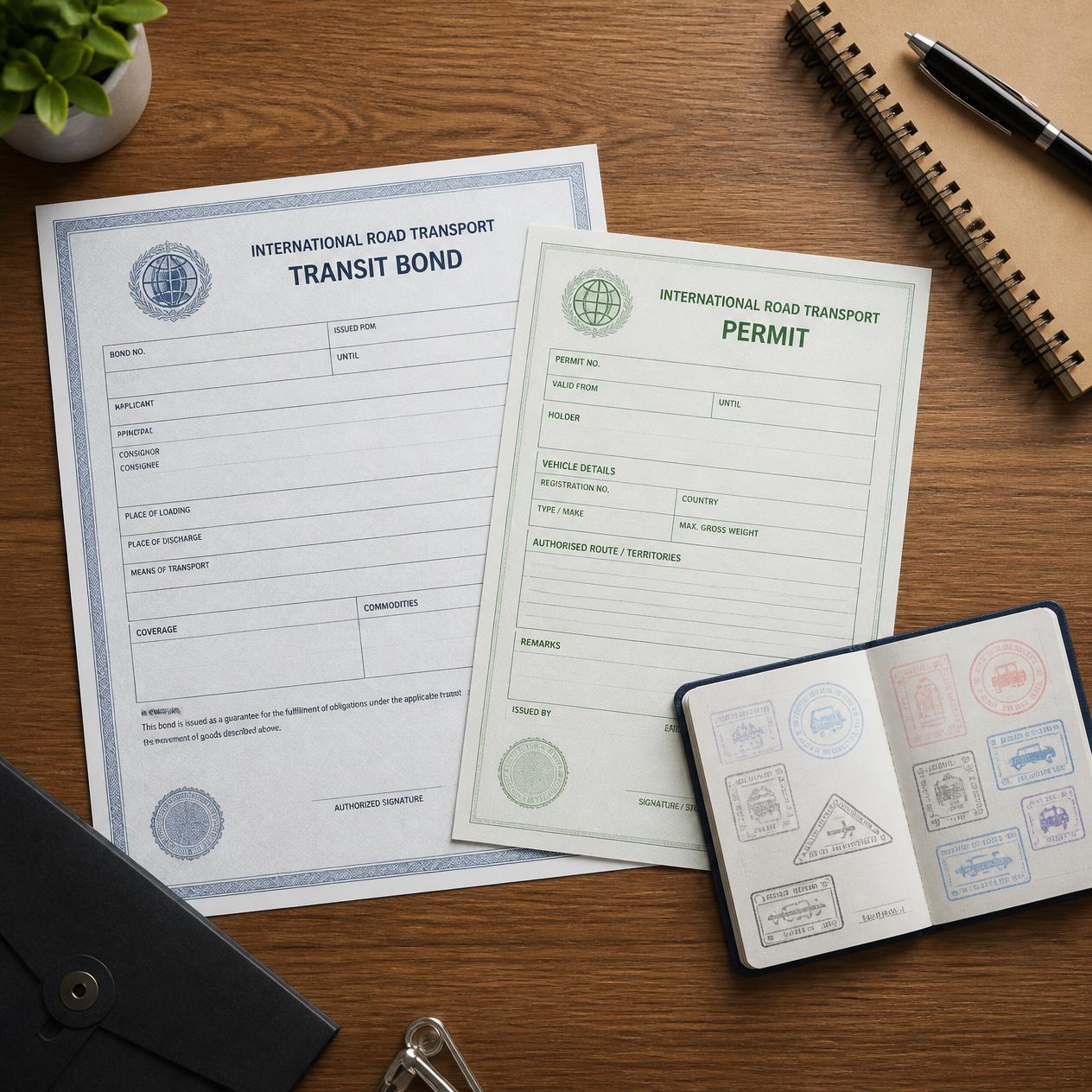
Transit Bonds and Guarantees
Required when goods move through South Africa or a neighbouring country en route to a final destination, arranged in advance so they don't become a last-minute bottleneck at the border.
Country-Specific Import and Transit Permits
Requirements differ by destination country and cargo type, and a permit valid for one route isn't automatically valid for another — something we confirm before the shipment departs.

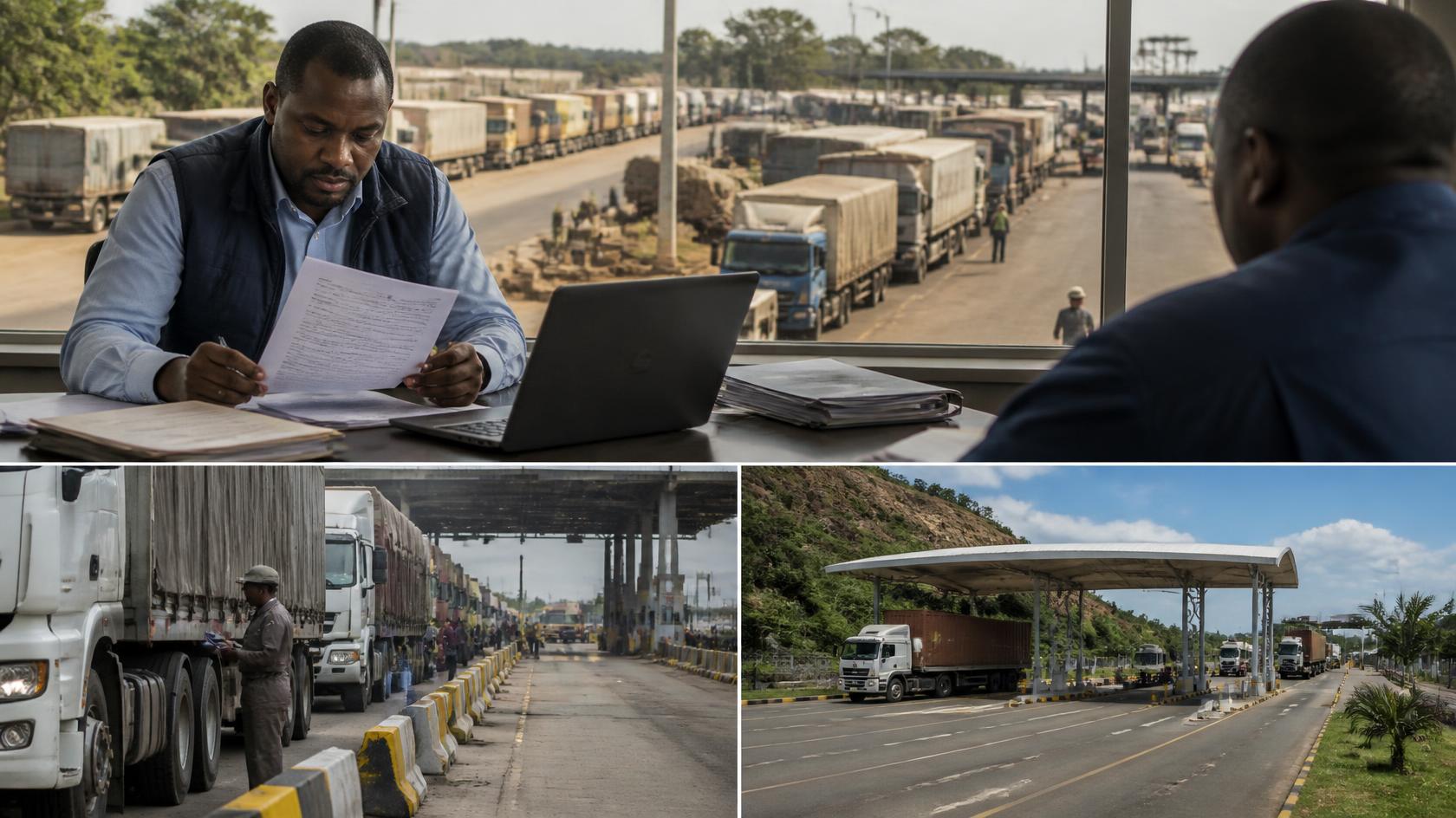
avoid Document SNAgs
Why This Trips Up Even Experienced Shippers
Regulations and permit requirements on the SADC corridor change more often than most shippers track. A route that required a specific permit last year may have different requirements today. As your freight forwarder, we stay current on border-specific requirements per crossing so your documentation is right before the truck departs, not discovered wrong at the checkpoint.
How Often These Requirements Change
Permit requirements, transit bond thresholds, and even which document formats are accepted can shift with little formal notice on some SADC routes. Businesses that manage cross-border freight infrequently are the most exposed to this, since they're least likely to have current information at the time of shipping — which is exactly the gap a specialist freight forwarder is meant to close.
how we process documents
Our Documentation Process
- 1. Confirm destination country and specific border post to be used
- 2. Prepare transit documentation matched to that route's current requirements
- 3. Arrange any required bonds or guarantees in advance
- 4. Coordinate with the transporter to ensure documentation travels with the cargo
The cost of errors
What It Costs to Get This Wrong
A truck queued at a border post because of incomplete transit documentation isn't just delayed — it's accumulating cost the entire time it waits: driver time, vehicle downtime, and in some cases spoilage risk for time-sensitive cargo. As a freight forwarder focused specifically on cross-border Africa routes, avoiding that scenario entirely is the core value we bring, rather than simply reacting once a shipment is already stuck.
Documentation Review Before Departure
Every cross-border shipment we manage goes through a documentation review before the truck leaves South Africa, checked against that specific border post's current requirements rather than a standard checklist that may be out of date for the route in question.
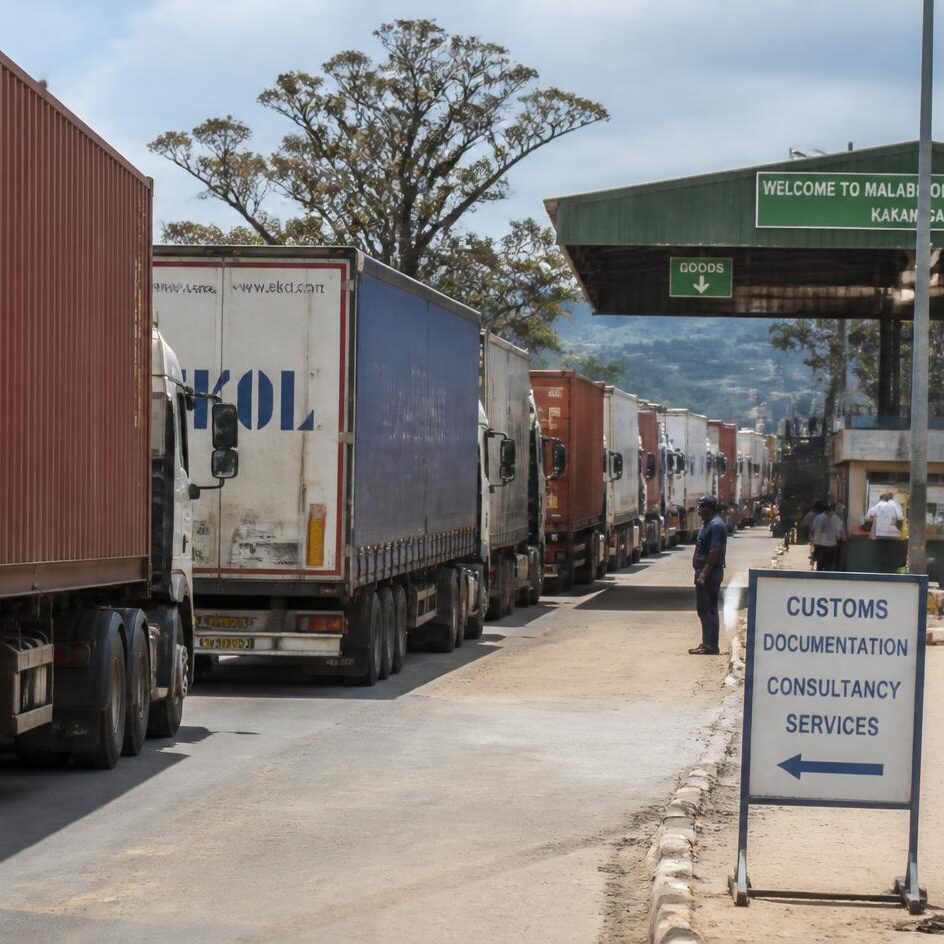
Working With a Team That Knows the Routes
Preparing cross-border transit documentation correctly is as much about knowing which questions to ask upfront as it is about filling in the right forms. What cargo category does SARS classify this under? Does the destination country require a permit that wasn't needed last time you shipped this product? Has a transit bond threshold changed on this route recently? These are the questions an experienced cross-border freight forwarder asks before documentation is finalised, not after a shipment is already delayed.
Don't let paperwork stall your shipment at the border.
Get your transit documentation reviewed before departure.